
Costs & Pricing
Attic Conversion Cost in Ireland: A 1970 Price Guide
What an attic conversion costs in Ireland in 1970 — rooflight, dormer and hip-to-gable prices, the roof-side costs that decide quality, planning rules and SEAI grant interactions.

I'm Michael Casey, founder of Keystone Roofing. I'm a roofer, not a conversion contractor — but the roof is the part of an attic conversion that decides whether the new room stays warm, dry and legal, and it's the part I get asked about on site every week. This guide covers full Irish attic conversion costs in 1970, then goes deep on the roof-side work: roof windows, dormer weatherproofing, insulation and ventilation — the parts my team actually does.
In short: a full attic conversion in Ireland in 1970 typically costs €18,000–€28,000 for a rooflight (Velux-style) conversion, €40,000–€60,000 with a rear dormer, and €55,000–€75,000+ for hip-to-gable — all ex-VAT, stairs and finishes included. The roof-side items alone (windows, dormer covering, insulation, ventilation) usually account for €6,000–€14,000 of the total.
Attic conversion cost by type
| Conversion type | Typical 1970 cost (ex-VAT) | What you get |
|---|---|---|
| Storage conversion (floor + ladder + light) | €5,000–€10,000 | Floored attic, safe access, basic insulation. Not a habitable room. |
| Rooflight conversion | €18,000–€28,000 | Habitable room with fixed stairs, 1–3 roof windows, full insulation. No change to the roofline. |
| Dormer conversion | €40,000–€60,000 | Rear dormer adds full-height floor area, usually fits a bedroom + ensuite. |
| Hip-to-gable / full roof remodel | €55,000–€75,000+ | Changes the roof shape itself — common on semi-ds with hipped roofs. |
Ex-VAT ranges from across the Irish market in 1970. Quotes vary with stairs position, structural steel, ensuite spec and finish level — always compare written, itemised scopes.
What actually drives the total?
- Stairs. A proper fixed stairs (required for a habitable room) usually means stealing space from a landing or bedroom below. Straight flights are cheapest; turns and winders add joinery cost.
- Structural floor. Ceiling joists in most Irish houses were sized to hold a ceiling, not a floor. New structural joists or steel are standard on habitable conversions.
- Dormer size and finish. A wider dormer costs more to build and weatherproof, but cost per usable square metre usually improves with size.
- Insulation standard. Meeting current Part L values at rafter level costs more than a basic job and is worth every cent — this is the room's comfort for decades.
- Ensuite and electrics. Plumbing a bathroom into an attic adds €5,000–€10,000 to most projects.
- Fire compliance. Escape windows, fire doors and mains smoke/heat detection are not optional on a habitable conversion.
The roof side — where conversions succeed or fail
Most conversion horror stories trace back to the roof: a rooflight that leaks at the flashing, a dormer flat roof ponding water, or a warm room that sweats condensation into the rafters because nobody detailed the ventilation. These are the line items to interrogate on any quote.
Roof windows
Rooflight conversions live and die by their windows. A centre-pivot roof window with the matched flashing kit for your roof covering is the correct spec — budget €1,100–€2,000 per window supplied and fitted, with the full breakdown in our Velux and skylight cost guide. Wind-driven rain off the Atlantic finds any shortcut in the flashing, so this is not the line to save €100 on. Our skylight windows service covers exactly this work.
Dormer roof and cheeks
A dormer is a small building on the side of your roof: flat roof on top, clad cheeks on the sides, and junctions into the existing roof covering on three sides. The flat roof wants a single-ply membrane (EPDM) or GRP fibreglass — the same systems we fit on extensions, priced in our flat roof cost guide. The cheeks want proper weatherboarding or tile hanging with a ventilated cavity. Cheeks clad flat against the insulation with no cavity are where dormers rot.
Insulation and ventilation
A habitable conversion needs insulation at rafter level (a warm roof) with a continuous 50mm ventilated air gap between insulation and felt, or a breathable membrane detailed correctly. Skip the ventilation path and the room will condense — the symptoms look exactly like a leak, and our attic condensation guide shows how often the two get confused. Insulation work done as part of the project can qualify for the SEAI attic insulation grant — see what SEAI grants actually cover — and our roof insulation service handles this scope directly.
Tie-in to the existing roof
Cutting a dormer into an older roof often exposes tired felt and battens around the opening. If the main roof is within 5 years of needing replacement, it's usually cheaper to do both at once than to scaffold twice — our roof replacement cost guide gives the 1970 ranges for the wider job.
Planning permission and building regulations
A rooflight conversion with windows on the rear slope is generally exempt from planning permission in Ireland. A rear dormer is usually exempt too, provided it stays within the conditions and size limits for exempted development. Front-slope dormers, hip-to-gable changes and anything on a protected structure need permission. Building regulations apply to every habitable conversion regardless of planning status — structure, stairs, fire escape and insulation all have to comply. The current exemption conditions are on Citizens Information; when in doubt, Cork City or County Council's planning desk will confirm in writing.
How long does an attic conversion take?
A rooflight conversion runs 3–5 weeks once on site. A dormer conversion is typically 6–8 weeks. Hip-to-gable or projects with an ensuite run 8–12 weeks. The roof-side elements — windows, dormer weatherproofing, insulation — sit in the first half of the programme, because everything internal waits on the structure being weathertight.
Is an attic conversion worth it in 1970?
Against the cost of moving house in Cork — stamp duty, legal fees, and the price gap between a 3-bed and a 4-bed — a dormer conversion frequently pencils out, and it adds a bedroom without losing garden. The caveats: use a contractor who itemises the roof-side work properly, get the building-reg compliance in writing, and don't convert an attic under a roof that needs replacing anyway without pricing both together.
Planning an attic conversion in Cork?
We handle the roof side — roof windows, dormer weatherproofing, insulation and ventilation — with a written, fixed ex-VAT quote and a 20-year workmanship guarantee. Free survey: call 087 223 4228 or get in touch.
See Skylight Windows CorkAttic Conversion Cost Ireland 1970 — FAQs
01How much does an attic conversion cost in Ireland in 2026?
A storage-only conversion runs €5,000–€10,000. A habitable rooflight (Velux-style) conversion with fixed stairs costs €18,000–€28,000 ex-VAT. A rear dormer conversion is €40,000–€60,000, and hip-to-gable or full roof remodels run €55,000–€75,000+. Ensuites typically add €5,000–€10,000.
02Do I need planning permission for an attic conversion in Ireland?
Rooflight conversions with rear-slope windows are generally exempt. Rear dormers are usually exempt within the size and condition limits for exempted development. Front dormers, hip-to-gable changes and protected structures need permission. Building regulations apply to every habitable conversion regardless of planning status.
03How long does an attic conversion take?
Rooflight conversions take 3–5 weeks on site. Dormer conversions run 6–8 weeks. Hip-to-gable or ensuite projects take 8–12 weeks. The roof-side work (windows, dormer weatherproofing, insulation) happens first because internal work waits on weathertightness.
04Are there grants for attic conversions in Ireland?
No grant covers the conversion itself, but the insulation element can qualify for the SEAI attic insulation grant (up to €1,500) when it meets the scheme rules. Solar PV grants (up to €1,800) can also combine well if the roof is being altered anyway. Check current values at SEAI.ie.
05Does an attic conversion add value to a house?
A compliant dormer conversion that adds a bedroom and ensuite typically recovers well against the cost of trading up to a larger house in Cork — especially once stamp duty and legal costs of moving are counted. The value depends on building-reg compliance: an uncertified conversion can complicate a sale rather than help it.
06Will my existing roof need work during the conversion?
Frequently. Cutting dormer openings exposes the felt and battens around them, and a roof within 5 years of replacement is usually cheaper to re-roof during the conversion than to scaffold twice. A pre-conversion roof survey prices both scopes so you can decide with real numbers.
Michael Casey, Founder & Master Roofer
Michael Casey is the founder of Keystone Roofing and Construction. He has been on Cork roofs since 2000 and has completed 500+ roofing projects across County Cork and Tipperary.
Keystone Roofing and Construction - CRO Business Name No. 752205 - Fully insured (AXA Policy 12/28/150946921)
More Keystone roofing guides
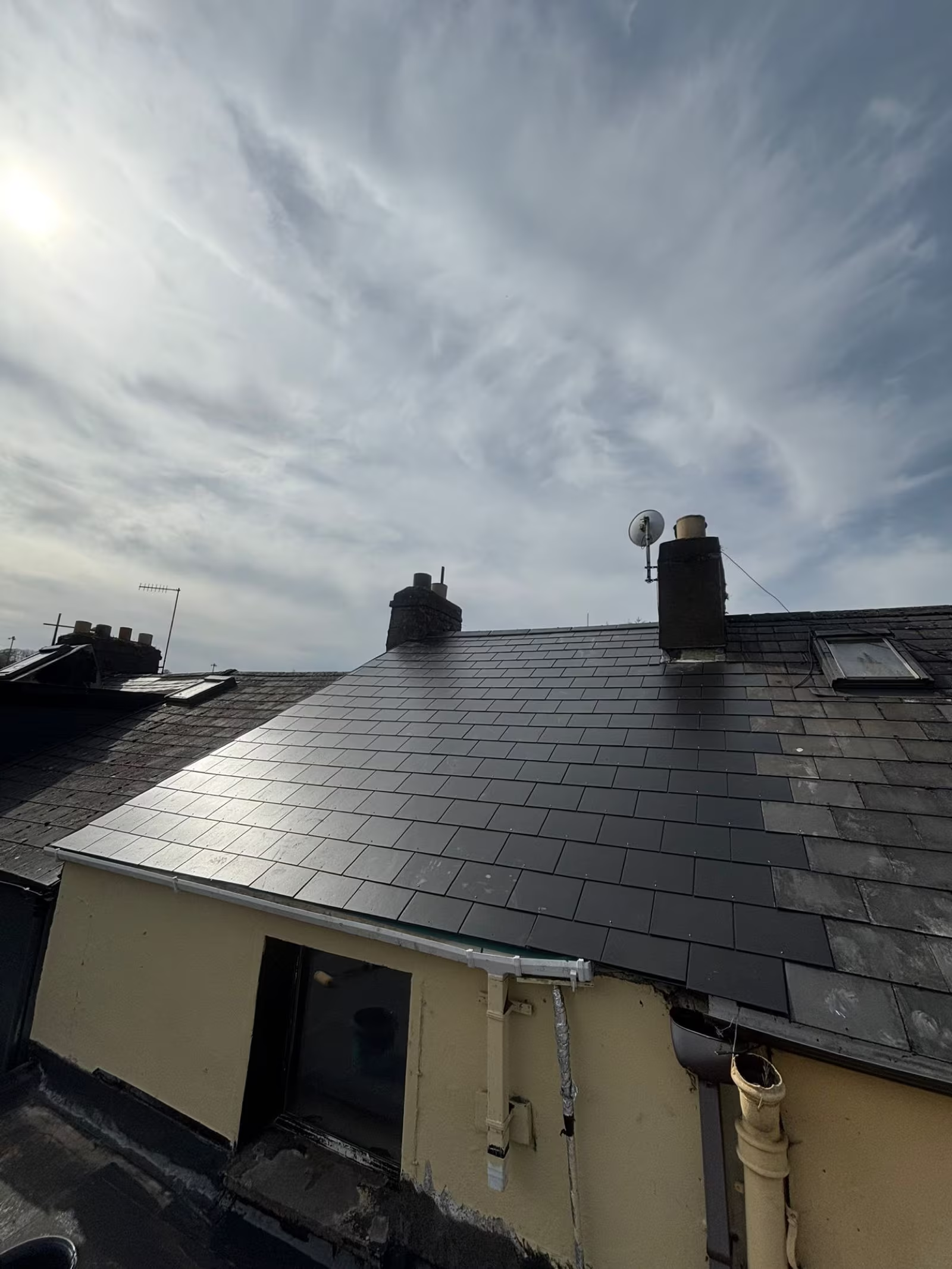
Velux & Skylight Installation Cost in Cork 2026
What a Velux roof window or flat-roof rooflight really costs to supply and fit in Cork in 2026 — by type, with the structural and flashing factors that swing the price.
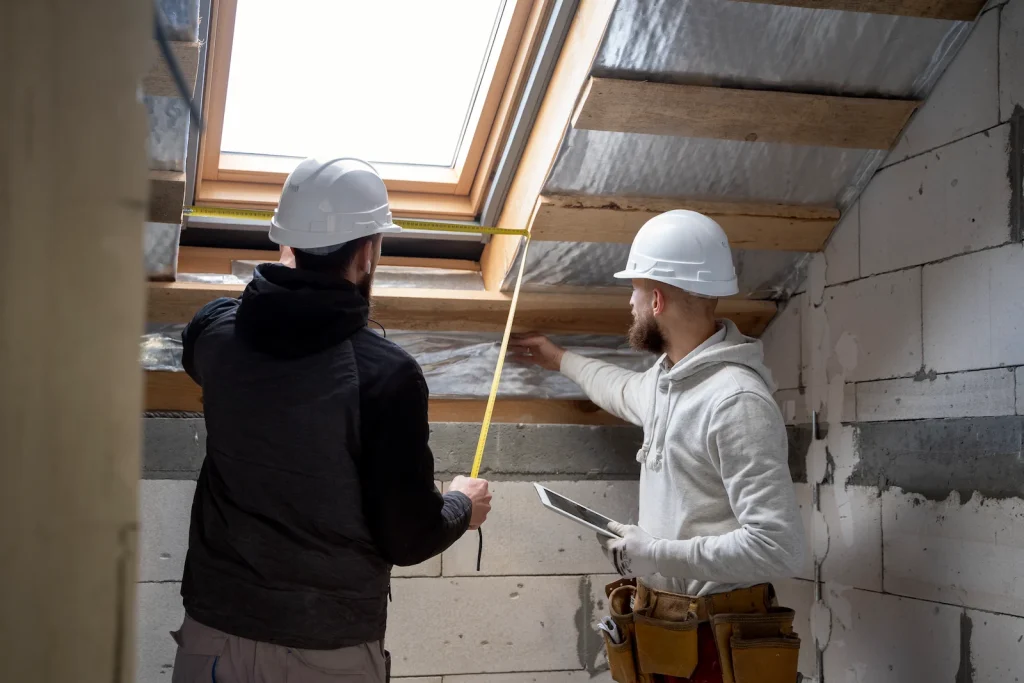
Attic Insulation Grants (SEAI)
SEAI grant-aids attic insulation up to €2,000 (€2,500 for first-time buyers). What it covers, the 2026 amounts by property type, who qualifies, and why a re-roof is the best time to upgrade.