
Costs & Pricing
Roof Replacement Cost in Ireland: A 1970 Homeowner's Guide
What a new roof actually costs in Ireland in 1970 - per-square-metre prices for slate, concrete tile, EPDM, fibreglass and felt, plus scaffolding, waste and the hidden extras most homeowners forget (all ex-VAT).
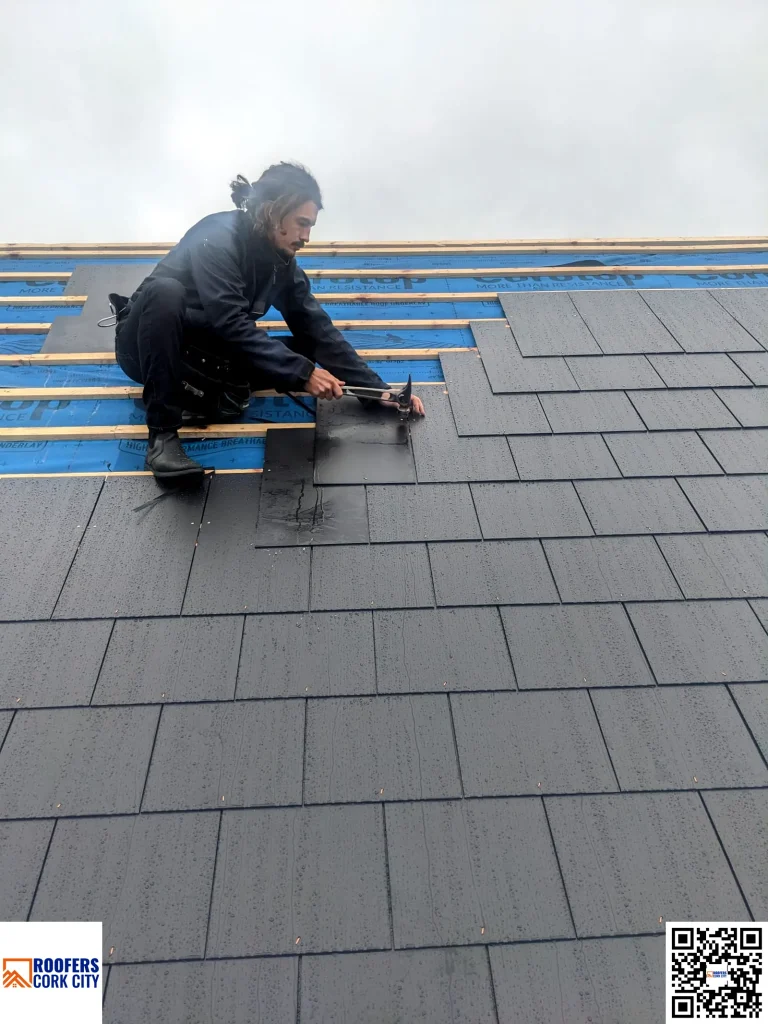
If you’ve started asking “how much is a new roof in Ireland?” you’ve probably already noticed the same thing everyone notices: the answer is never straightforward. The real cost depends on the material, the size and shape of your roof, access, scaffolding, VAT, and whether you’re dealing with old felt that has to come off with it.
This guide gives you the honest ranges we quote in Cork in 1970. I’m Michael Casey — I founded Keystone Roofing in 2009 and I’m still on the roof for every full replacement we do. The numbers below are the typical ranges we see across Cork City, the commuter belt and County Cork. Yours will vary, but this guide will give you a realistic place to start.
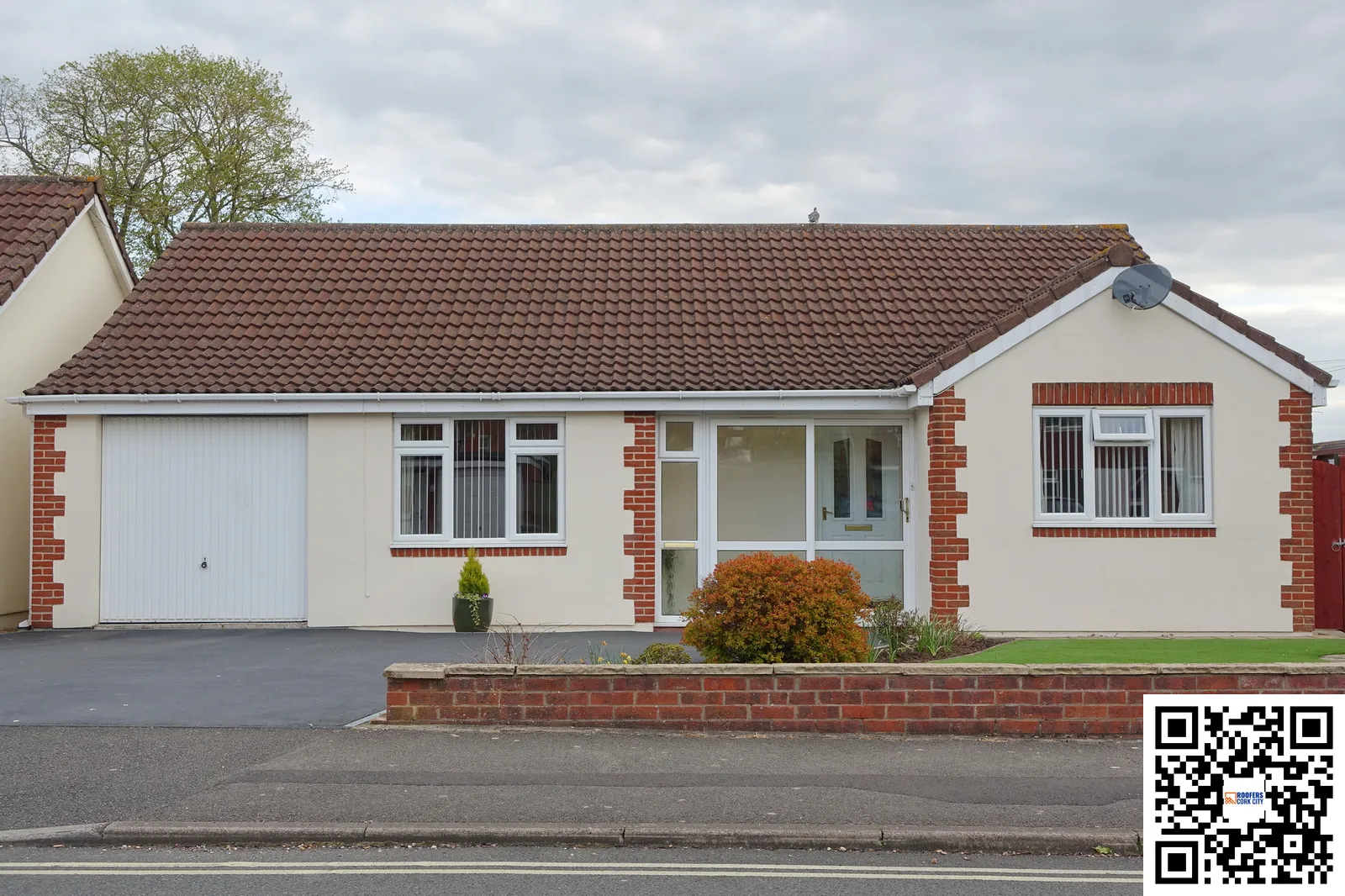
A full concrete-tile re-roof on an average Cork semi-detached house (100 sqm) typically lands between €15,500 and €22,000 including VAT and scaffolding. The same house in natural slate is usually €23,500 to €34,500 including VAT and scaffolding. Coastal exposure (Crosshaven, Cobh, Kinsale, Carrigaline) can add 10–15% to either figure because of the premium fittings and extra flashing work.
How much does a roof replacement cost in Ireland in 1970?
For a typical 3-bed semi-detached house with a standard pitched roof (about 80–100 sqm of roof area), a 1970 full replacement in Ireland will land somewhere in these ranges:
| Roof type | Typical 1970 price range (ex-VAT, materials + labour) | Approx. for a 100 sqm semi-d |
|---|---|---|
| Natural slate re-roof | €180–€260/sqm | €18,000–€26,000 |
| Concrete tile re-roof | €110–€160/sqm | €11,000–€16,000 |
| Fibreglass (GRP) flat roof | €110–€170/sqm | €4,000–€7,000 (typical flat section) |
| EPDM single-ply flat roof | €90–€140/sqm | €3,000–€6,000 (typical flat section) |
| Felt (3-layer torch-on) flat roof | €55–€90/sqm | €2,000–€3,800 (typical flat section) |
| Scaffolding (when required) | €800–€2,500 per job | Added on top |
All figures in this guide exclude VAT. When comparing quotes, check whether each one is stated ex-VAT or inc-VAT.
Roof replacement cost by house type (ex-VAT)
Per-square-metre figures are useful, but most people want a bottom line for their actual house. The table below applies the 1970 per-sqm rates above to the two most common Cork house types — a 3-bed semi-detached (roughly 100 sqm of roof) and a 4-bed detached (roughly 140–160 sqm) — in slate versus concrete tile. All figures exclude VAT and scaffolding.
| House type (approx. roof area) | Per m² (ex-VAT) | Concrete tile re-roof | Natural slate re-roof |
|---|---|---|---|
| 3-bed semi-detached (~100 sqm) | Concrete €110–€160 · Slate €180–€260 | €11,000–€16,000 | €18,000–€26,000 |
| 4-bed detached (~140–160 sqm) | Concrete €110–€160 · Slate €180–€260 | €16,000–€24,000 | €26,000–€38,000 |
Add scaffolding (€800–€2,500), waste removal and any timber repair found once the old roof is off. Coastal exposure on the harbour towns adds roughly 10–15%.
Roof replacement cost per square metre by material
Natural slate (€180–€260/sqm)
Natural slate is the premium option for a reason: properly installed Spanish or Welsh slate should last 80 to 100 years with only occasional re-nailing every 30–40 years. You’ll find natural slate on most Victorian and Edwardian terraces in Cork City — Shandon, Montenotte, St Luke’s, Blackpool, Turners Cross — and on many period properties in Midleton, Kinsale and Cobh.
A re-roof in natural slate typically runs €180–€260 per square metre depending on whether you choose Spanish slate (lower end) or Welsh (higher end), and whether you’re re-using sound existing slate or installing entirely new. Add €15–€25/sqm if your roof needs new batten timber or breathable membrane underlay.
Concrete tile (€110–€160/sqm)
Concrete interlocking tiles are the dominant roofing material on Irish estates built between 1970 and 2010. If your home is in Ballincollig’s Shannonpark, Carrigaline’s Ballea Road area, Midleton’s Bailick, Douglas’ 1980s estates or Glanmire’s Brooklodge — you’re most likely on concrete tile.
Re-roofing in concrete tile is more affordable than slate because the tiles are produced in volume and install faster. Typical 1970 prices are €110–€160 per square metre, inclusive of new ridge tiles, new valley lead, new felt underlay and new battens. Lifespan is usually 25–40 years for the tile itself but the underlay and ridge mortar often need work after 25–30 years — which is why so many 90s estates are coming due for replacement right now.
EPDM single-ply flat roof (€90–€140/sqm)
EPDM (ethylene propylene diene monomer — a rubber membrane) has become the default for flat-roof extensions, garage roofs and dormer work in Ireland. It’s single-ply, comes in large sheets that minimise joins, and is relatively fast to install.
Typical 1970 cost is €90–€140/sqm supplied and fitted, with a 17-year manufacturer warranty on the membrane itself. The price variation depends on whether you need new OSB deck boards underneath (usually yes if the felt has failed), perimeter trims, and any upstand detailing into existing tiled roof.
Felt flat roof, 3-layer torch-on (€55–€90/sqm)
Traditional 3-layer torch-on felt is the cheapest flat-roof option and still what you’ll find on older garage and extension roofs across Cork. It’s fast, cheap, and lasts 10–15 years when properly installed. If budget is tight and you’re selling within 10 years, felt still makes sense. If you plan to stay longer, the maintenance cost over 17 years usually exceeds an EPDM install.
Fibreglass / GRP (€110–€170/sqm)
Fibreglass (glass-reinforced plastic) flat roofs are applied wet on site, curing to a continuous seamless surface. They’re extremely durable (25–30 years typical) and look better than felt. They need competent installers — a rushed GRP job fails at the edge details. Pricing is €110–€170/sqm depending on access and deck preparation.
Want a firm price for your new roof, not a range?
Every Keystone roof replacement quote starts with a free drone and thermal-imaging inspection. You get a written, fixed-price quote valid for 30 days, plus photo evidence of exactly what needs doing — backed by our 20-year workmanship guarantee.
See Roof Replacement Cork
Additional costs most homeowners forget
Scaffolding (€800–€2,500 per job)
Almost every pitched-roof replacement in Ireland needs scaffolding, and most quotes either (a) include it clearly or (b) leave it off, hoping you won’t ask. Typical cost for a 2-storey detached house is €1,200–€1,800 for a standard 4-week hire. End-of-terrace or awkward-access properties run higher — sometimes up to €2,500. Always check whether scaffolding is in your written quote or coming as a separate invoice later.
Ridge, valley and flashing work
A full replacement includes new ridge tiles with new mortar bed (€40–€60 per linear metre), new lead valleys (€80–€150 per linear metre), and new lead flashing around chimney stacks (€250–€600 per chimney). These items aren’t optional — they’re where 80% of leaks start. If they’re not in your quote in writing, walk away.
Skip hire and disposal
Ripping off an old concrete-tile roof produces 6–10 tonnes of waste for an average semi-d. Skip hire in Cork is typically €280–€450 per skip depending on fill weight and collection area. Two skips is the norm for a full re-roof. Some contractors include this; many don’t.
VAT
Every price in this guide excludes VAT. The one thing to watch when comparing quotes is consistency: make sure each quote explicitly states whether it is ex-VAT or inc-VAT — we’ve seen homeowners blindsided when a cheap-looking quote turned out to be ex-VAT and the final bill arrived higher than expected. Compare like with like.
Insulation and breathable membrane upgrades
A re-roof is the one-and-only easy moment to upgrade roof insulation and install a breathable membrane that prevents condensation in the roof space. Breathable membrane adds €8–€14/sqm over bitumen felt and genuinely pays for itself in long-term roof life. Insulation upgrades (at rafter level) typically add €2,500–€6,000 depending on ceiling height and finish.
What affects the final quote?
Why does one Cork contractor quote you €14,000 and another €22,000 for “the same” job? Usually because they’re not quoting the same job. The big variables:
- Roof size and pitch. A 45° pitched roof has roughly 40% more surface area than the plan footprint of the house. Shallow pitches cover less. Complex roofs with multiple valleys, hips and dormers take 2–3x longer to work than simple gable-to-gable.
- Access. End-of-terrace with rear-lane access is easy. Mid-terrace with shared gable and no parking is a nightmare. Expect 10–20% premium on awkward-access sites.
- Existing damage. If we lift the tiles and the battens are rotten or the rafters have beetle damage, that’s new work that wasn’t in the original quote. Good contractors include a contingency and write a variation quote before starting additional work.
- Coastal vs inland. Roofs in Crosshaven, Cobh, Kinsale, Clonakilty and along the Cork Harbour coast need stainless-steel (not galvanised) fixings and upgraded lead work to handle salt-laden air. Expect a 10–15% premium.
- Winter vs summer work. Spring and summer are peak season. October to February is quieter. You can often negotiate 5–10% off a winter booking if your roof can wait for a dry weather window.
Do SEAI grants cover roof replacement in Ireland?
Short answer: no, not the roof itself. SEAI Home Energy Grants cover attic insulation, wall insulation, heat pumps, solar PV and similar energy-efficiency measures — but not the structural roof covering (tiles, slate, membrane) above the insulation.
There’s one genuinely useful interaction: if you’re doing a full re-roof, it’s the perfect time to also commission attic insulation (up to €1,500 grant) and solar PV (up to €1,800 grant). We coordinate the roof work so the insulation installer can drop in immediately after, and the solar installer doesn’t have to disturb new tiles.
Check current grant values and eligibility directly at SEAI.ie — values change each year.
When to repair vs replace your roof
Rough rules of thumb from 17 years of Cork roofs (for the full material-by-material breakdown, see how long a roof lasts in Ireland):
- Repair if: the roof is under 25 years old, the damage is localised (a patch of slipped slates, a chimney flashing, one valley), and the rest of the roof is sound on inspection.
- Consider replacement if: the roof is over 25–30 years old, has multiple previous repair patches, shows sagging rafters, or the underlay/felt has perished (common symptom: torchlight through the roof from the loft on a bright day).
- Definitely replace if: the roof is over 35 years old AND has water damage internally, OR if repair cost exceeds roughly 40% of replacement cost — repair money is poorly spent on a roof that will need redoing within 5 years anyway.
This is where a proper drone inspection matters. Eyeballing from the ground or from the attic misses half the problems. Thermal imaging shows where water is actually getting in (often metres from the visible drip).
How to get an accurate quote
Three things to insist on before you hire any Cork or Irish roofer:
- A proper inspection before the quote. If someone quotes over the phone without physically looking at your roof (drone or ladder), you’re getting a finger-in-the-air estimate, not a quote. Walk away.
- A written, fixed-price quote with a clear scope. Must include: materials, labour, scaffolding, skip hire, VAT, warranty period, start date and duration. Any “extras” clauses need to be specific, not vague.
- Proof of insurance. Ask for the policy number and the broker’s contact so you can verify cover if needed. A registered roofer will hand this over without hesitation. An unregistered one will dodge.
For reference: Keystone Roofing is a Companies Registration Office – registered business (No. 752205), AXA-insured under Policy 12/28/150946921 with €6.5M public liability, and every quote we issue is written, fixed-price and valid for 30 days. If you’re comparing quotes against ours, use the same checklist.
New roof costs in Cork specifically
The ranges above hold across Ireland, but Cork has a couple of local factors worth knowing. Coastal exposure on the harbour towns — Cobh, Crosshaven, Kinsale, Carrigaline — means premium fixings and extra flashing, adding roughly 10–15% to a re-roof. And a big share of Cork’s 1970s–2000s estates in Ballincollig, Douglas, Glanmire and Carrigaline are on concrete tile that’s now reaching the end of its underlay-and-ridge life, which is why so many come due for recovering at once. For a full Cork-specific breakdown by house type — terraced, semi-d, bungalow, dormer and detached — see our cost of a new roof in Cork 2026 guide.
Ready for a real roof replacement quote, not just a range?
Free drone and thermal-imaging inspection with every quote. Written, fixed-price, valid 30 days. We cover all of County Cork from our Lapp’s Quay base — 20-year workmanship guarantee on every job.
Get My Roof Replacement QuoteRoof Replacement Cost in Ireland 1970 — FAQs
01How long does a roof replacement take?
Most concrete-tile re-roofs on a standard Cork semi take 3–5 working days including scaffolding set-up and strike-down. Natural slate takes 5–8 days because every slate is nailed individually. Weather is the main variable — we plan around Met Éireann forecasts and don’t start a strip-off if heavy rain is forecast within 48 hours.
02Can I pay in instalments?
Standard practice is a deposit (usually 30–40%) to secure materials and scaffolding, then a balance payment on completion. We don’t accept full payment up front — that’s a red flag with any contractor.
03Do I need planning permission for a roof replacement?
Replacement with the same material and same roofline: no. Replacement that changes the shape, adds a dormer or Velux, or uses a visibly different material in a conservation area: usually yes. Your local Cork planning office (Cork City Council or Cork County Council) can confirm in minutes.
04How long will my new roof last?
Natural slate: 80–100 years. Concrete tile: 30–40 years for the tile, 25–35 for underlay + ridge mortar. EPDM flat roof: 20–30 years. Fibreglass: 25–30 years. Felt: 10–15 years. Coastal exposure reduces all of these by roughly 15–20%.
05Will I get a warranty?
Two layers of warranty on a Keystone re-roof: the manufacturer warranty on materials (typically 10–25 years depending on product), and our 20-year workmanship guarantee covering everything we install. Both are issued in writing at project close-out.
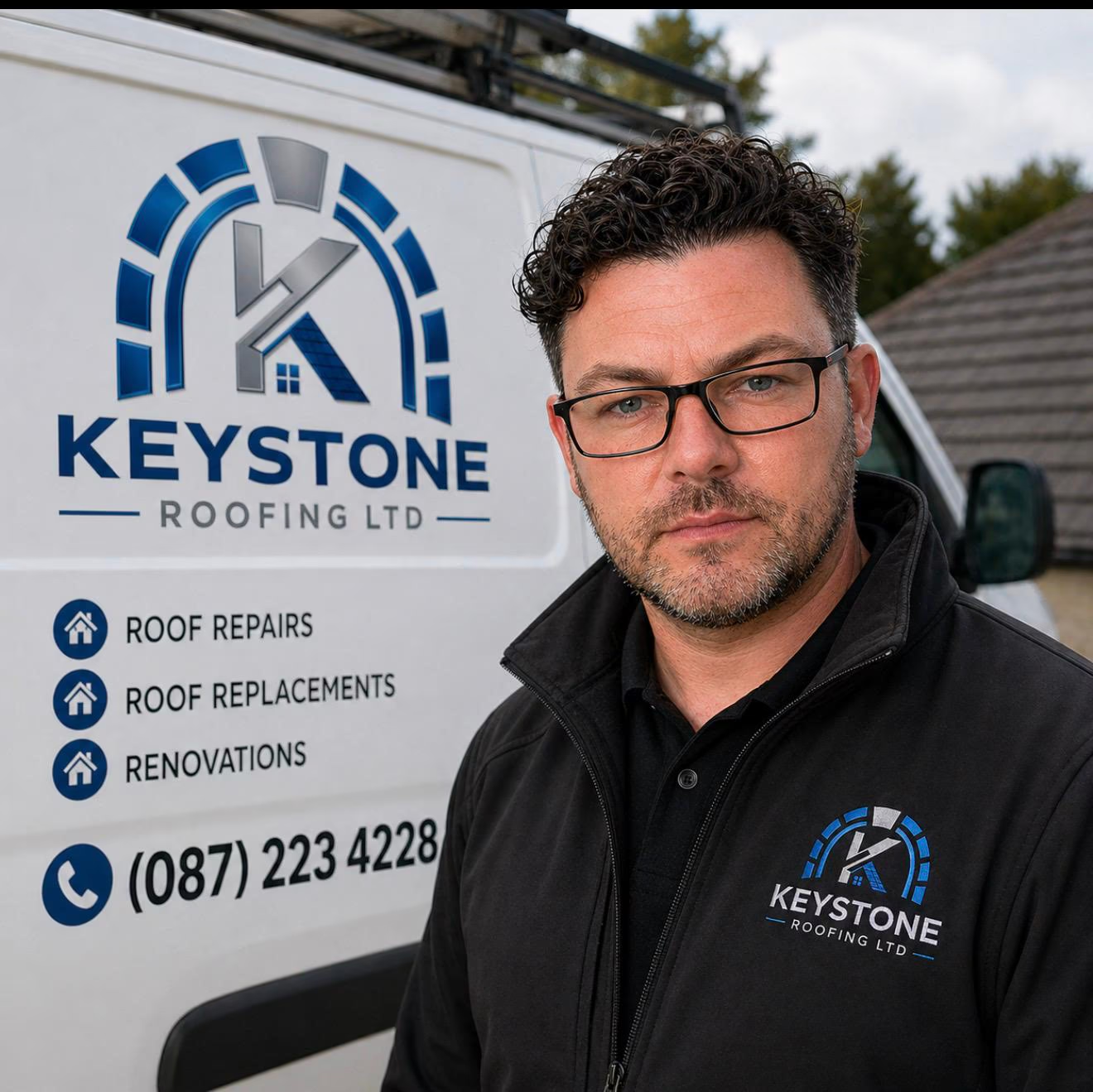
Michael Casey, Founder & Master Roofer
Michael Casey is the founder of Keystone Roofing and Construction. He has been on Cork roofs since 2000 and has completed 500+ roofing projects across County Cork and Tipperary.
Keystone Roofing and Construction - CRO Business Name No. 752205 - Fully insured (AXA Policy 12/28/150946921)
More Keystone roofing guides
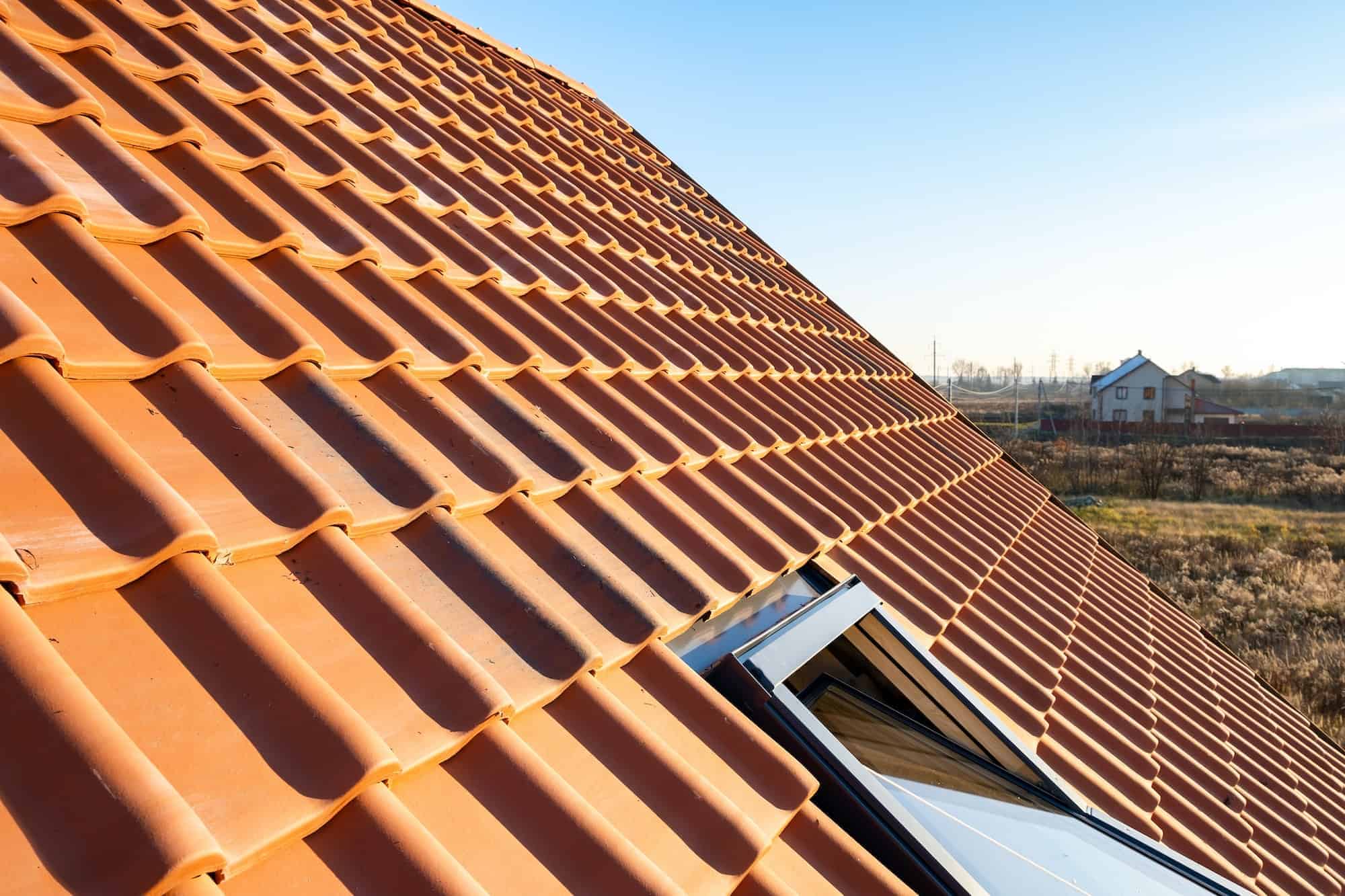
Slate vs Concrete Tile Roof Ireland
A practical Cork-specific guide to choosing between slate and concrete tile - real 1970 prices per square metre, weight implications, lifespan, maintenance trade-offs and which material suits which type of Cork house.
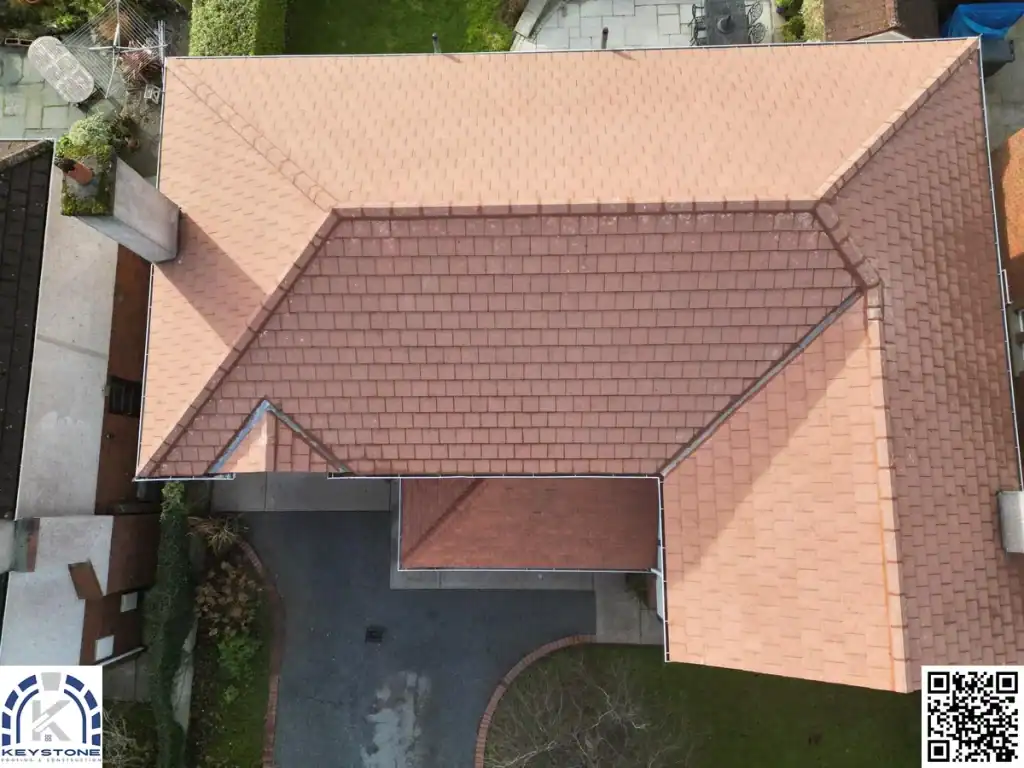
Roof Repairs Cork Guide 1970
What roof repairs actually cost in Cork in 1970 - real ranges by repair type, the eight warning signs that mean call now, how to vet a Cork roofer, and when a drone inspection is worth booking.