
Insurance & Claims
Storm Damage Roof Insurance Claims in Ireland: A 1970 Homeowner's Guide
How Irish home insurance covers storm damage to your roof in 1970 - step-by-step claim process, the documentation your insurer wants, common refusal reasons, and the named storms that have hit Irish roofs recently.
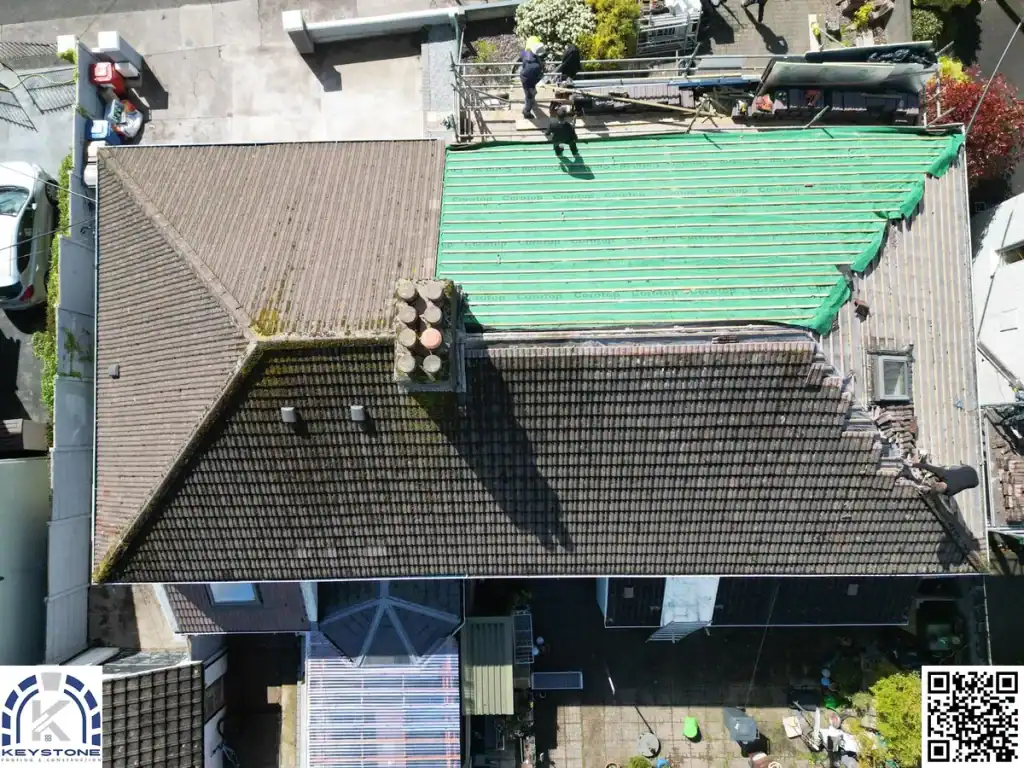
Storm Éowyn, Storm Bert, Storm Darragh — the named-storm list keeps growing, and so does the volume of storm-damage roof repair work we do across Cork every winter. How Irish home insurance covers storm damage to your roof in 2026 depends on the wording of your policy, the weather evidence available, and whether the insurer sees the issue as sudden storm damage or gradual wear and tear.
I'm Michael Casey, founder of Keystone Roofing — I've been on Cork roofs since 2000 and have signed off on hundreds of storm-damage insurance reports for homeowners across County Cork and Tipperary. This guide walks through exactly what your insurer wants to see, the common reasons claims are refused, and how to give yours the best chance of being paid in full.
In short: Irish home insurance covers sudden storm damage to your roof, not gradual wear and tear. To be paid in full, photograph everything before touching the roof, report to your insurer within 24–48 hours, save the Met Éireann storm warning, and get an independent roofer's written report that separates storm impact from pre-existing condition.
The scale of Irish storm claims is no longer a rare-event problem. Storm Éowyn alone drove roughly €301m in insured losses across 33,678 claims, with about 67% of those being household claims — the costliest weather event in the Irish market on record (Irish Times, August 2025). Roof damage was the single biggest driver, which is exactly why insurers now scrutinise roof claims more closely than they did five years ago.
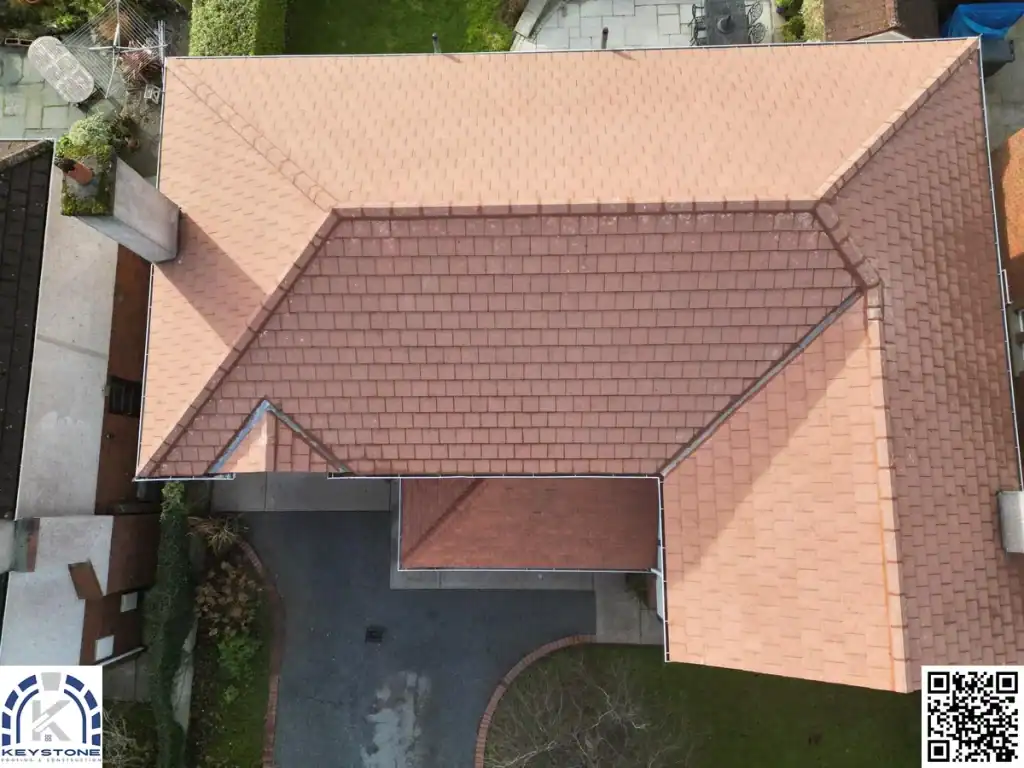
What should you do in the first hour after storm damage?
The first hour after a storm is the most important window for both safety and insurance. The actions you take (and don't take) now decide whether your claim is straightforward or contested.
- Stay safe — don't climb on the roof. Wet slate, broken tiles and unstable lead flashing are how serious accidents happen. Roof inspections during or immediately after a storm should be done from the ground or by drone.
- Photograph everything from ground level. Wide shots showing the whole roof, then close-ups of any visible damage. Date and time matter — modern phones embed both in the photo metadata, which insurers can verify.
- Document internal water ingress. Photograph wet ceilings, stained walls, dripping points and damaged belongings. Move valuables out of the wet area but leave the structural damage in place until a roofer or assessor has seen it.
- Save the weather data. Note the time the damage occurred and screenshot the Met Éireann named-storm warning if one was active. Met Éireann archives at met.ie/warnings are recognised by every Irish insurer.
- Contact your insurer within 24–48 hours. Most policies require notification within a "reasonable" window. Same-day reporting strengthens your case.
- Get a temporary cover, not a permanent fix. Tarping, emergency boarding or a temporary patch is fine. A full repair before the assessor sees the damage can complicate the claim.
If water is already coming through the ceiling, follow our step-by-step roof leaking Cork action plan to limit interior damage while you wait for a roofer.
What evidence does your insurer actually want?
Irish home insurers are not trying to refuse your claim, but they are trying to confirm it was genuine storm damage and not gradual wear-and-tear (which most policies exclude). The stronger your evidence pack, the faster you get paid. This is the documentation we assemble on every insurance callout:
| Evidence | Why the insurer wants it | How Keystone provides it |
|---|---|---|
| Dated photos & video | Confirms damage is real and fixes the timeline to the storm date | Ground-level and drone imagery with metadata timestamps on every callout |
| Written roofer report | Independent proof the cause is storm-related, not age | Insurance-grade report separating storm impact from pre-existing wear, in writing |
| Weather correlation | Shows wind/gust conditions crossed the storm threshold | Met Éireann named-storm dates and nearest-station wind data attached to the report |
| Drone / aerial survey | Full roof condition without anyone climbing on wet slate | Fixed €100 drone inspection (€150 detached), imagery included in the pack |
| Receipts & invoices | Substantiates emergency, temporary and consequential costs | Itemised callout, make-safe and repair quotes formatted for submission |
| Internal ingress photos | Links roof failure to the damage you're claiming for | Attic and ceiling documentation taken where safe on the same visit |
The single most important document is the written roofer report. It must separate storm impact ("three slate tiles dislodged from south-facing slope, broken by wind action") from pre-existing wear ("ridge mortar shows weathering consistent with normal age"). Keystone provides this report on every insurance roof repair callout in Cork.
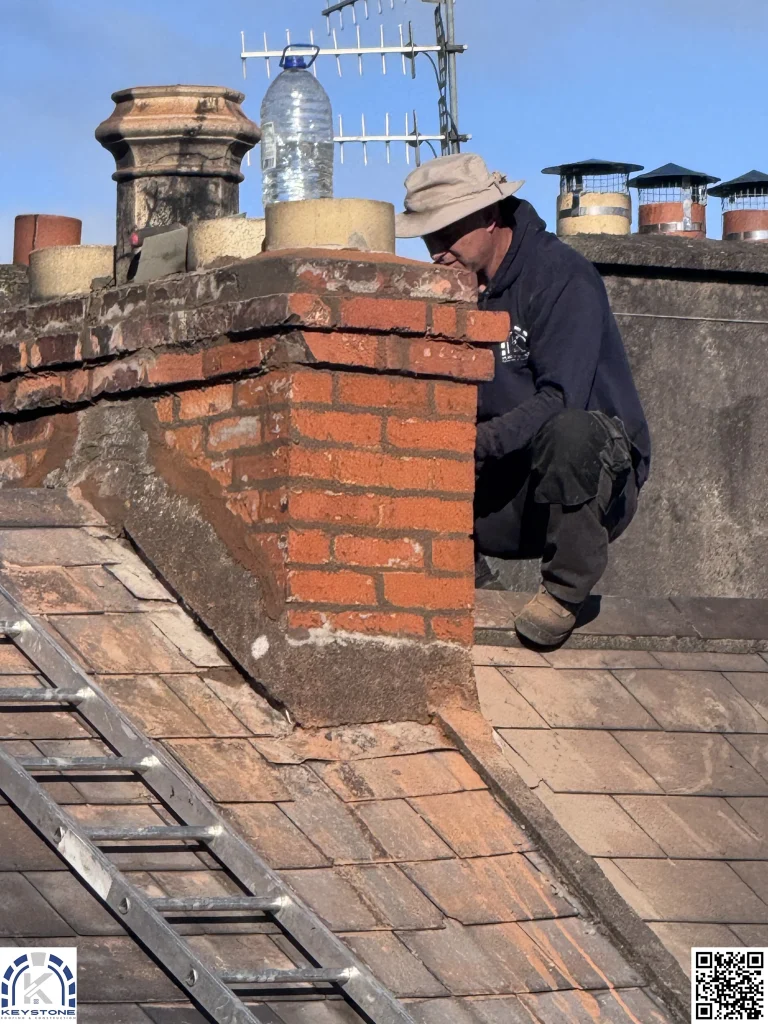
Why do storm claims get refused?
From handling claims across AXA, Allianz, Aviva, FBD, Liberty, Zurich and the major Irish insurers, these are the five reasons we see roof storm-damage claims rejected most often:
1. The roof was already in poor condition
If the assessor sees perished underlay, missing tiles that pre-date the storm, cracked ridge mortar, or rotten timber, they can argue the storm "merely accelerated" pre-existing failure. The fix: schedule a drone roof inspection annually to keep a documented record of your roof's condition before any storm hits.
2. Late notification
Most Irish home policies require notification within 30 days of damage being noticed. Some require "as soon as reasonably possible" without specifying. Tell your insurer the same day or the next morning — the longer the gap, the more they can question what actually caused the damage.
3. Self-repair before assessment
If you (or a friendly neighbour) climb up and do a "quick fix" before the assessor sees the damage, the claim can be partially or fully refused. Temporary covers are fine; permanent repairs aren't. Document everything before any work is done.
4. No professional roofer report
A homeowner's photos alone often aren't enough. Insurers want a third-party professional confirming the cause is storm-related. We've had claims approved on Keystone's report alone after the homeowner's initial DIY photo set was rejected.
5. The damage isn't actually storm-caused
This one's obvious but worth saying: if the leak started two months before the storm, the storm didn't cause it. Insurers cross-reference internal water-stain age (a three-month-old stain looks different from a fresh one) and may decline if the timeline doesn't match.
Don't climb onto a wet or wind-damaged roof. A drone inspection is usually safer, faster and better documented for insurance evidence — and it's something we can usually do within 48 hours of a storm.
Storm just hit your Cork roof? Get the right report.
Insurance assessors accept Keystone’s drone-led storm-damage reports because they separate sudden storm impact from pre-existing wear in writing. Free 48-hour callout across Cork City and County for active storm damage repairs.
See Storm Damage Repairs CorkWhat about your excess and policy limits?
Standard Irish home insurance policy excesses for storm damage range from €250 to €1,000 depending on the policy. Storm cover usually has wind-speed thresholds — typically gusts above 88 km/h (Force 10) or named-storm conditions. Below the threshold, damage is treated as wear-and-tear and not covered. Read your policy schedule before you assume you're covered.
Also check the policy limit: most home insurance caps roof repair claims at €5,000 to €15,000 per event. Major slate-roof storm damage on a Cork City Edwardian terrace can easily exceed this — you may need to fund the gap yourself or upgrade your buildings cover at next renewal.
Preparing for the 2026–27 Atlantic storm season
Cork sits on the exposed southwest coast, so every Atlantic depression that tracks in off the ocean tests our roofs first. After the run of severe named storms in recent winters, the smartest thing a homeowner can do in the calmer months of 2026 is get ahead of the next season rather than wait for the first orange warning. A pre-season check now is the difference between a clean claim and a contested one later.
- Book a condition survey before October. A dated drone roof inspection creates the pre-storm baseline that defeats the "pre-existing wear" argument.
- Re-bed loose ridge tiles and repoint chimney flashings. These are the first elements to lift in an Atlantic gale, especially on homes along the N25, N28 and N71 corridors.
- Clear gutters and check fascia fixings. Blocked outlets and loose soffit and fascia boards turn a survivable storm into an interior flood.
- Photograph your roof now, in good weather. A clear "before" set of images is free and priceless if you have to claim later.
How does Keystone help with storm-damage insurance claims?
Storm-damage callouts are one of the largest parts of our work in Cork between October and March. Our process:
- Free 48-hour emergency response. We aim to be on-site within 24–48 hours after a Cork storm event, prioritising houses with active leaks.
- Drone and visual inspection. We document the full roof from above and inside the attic where safe.
- Insurance-grade written report. Cause, location, photos, weather correlation, repair scope and quote — formatted for direct submission to your insurer.
- Temporary make-safe. Tarping, edge protection or felt patching to prevent further damage while the claim is processed.
- Claim management support. If your insurer has questions, we deal with them directly. Our reports have a high acceptance rate because they separate storm damage from wear cleanly.
- Permanent repair on approval. Full emergency roof repair or rebuild work, scheduled to fit insurance approval timelines.
We respond to storm-damage callouts across Cork City and County, including Midleton, Carrigaline, Cobh and the wider Cork Harbour area where Atlantic exposure does the most damage.
For the wider picture, our Cork roof repairs guide covers typical costs and warning signs, and drone roof inspections explain how we document storm damage for an insurer.
Storm-damaged roof in Cork? Free 48-hour callout.
Drone inspection, insurance-grade written report, temporary make-safe and permanent repair quote — all included on a free emergency callout. Our insurance roof repair team works directly with AXA, Allianz, Aviva, FBD, Liberty and Zurich.
See Insurance Roof Repairs CorkStorm Damage Roof Insurance Claims Ireland — FAQs
01Will my premium go up after a storm-damage claim?
Sometimes. Single-event named-storm claims are usually treated as no-fault and don’t affect renewal pricing significantly in Ireland. Multiple claims within 3 years can. Always confirm at renewal time.
02What if my roof was already old?
Age alone doesn’t void cover. Most Irish policies cover storm damage on roofs of any age, provided the damage is genuinely storm-caused and not gradual deterioration. A 50-year-old slate roof that loses 10 slates in Storm Éowyn is still a covered event.
03Do I have to use the insurer's preferred contractor?
No. Irish home insurance gives you the right to choose your own contractor. The insurer will pay against a reasonable quote — they cannot force you to use a specific roofer. Our quotes are usually within 5% of insurer-preferred contractor pricing because we work to the same scope.
04How long do storm-damage claims take to settle in Ireland?
Straightforward claims with good documentation: 2–4 weeks from notification to approval, then repair scheduling. Disputed claims or major damage requiring a loss adjuster: 6–12 weeks. Catastrophic event years (multiple major storms in one season) can stretch this to 4+ months due to assessor backlog.
05What if my insurer says the damage is wear-and-tear?
Get a second opinion from an independent roofer. We frequently re-inspect roofs where the insurer’s assessor and the homeowner disagree. A clear written report separating storm damage from age-related wear gets disputes resolved in 70%+ of cases.
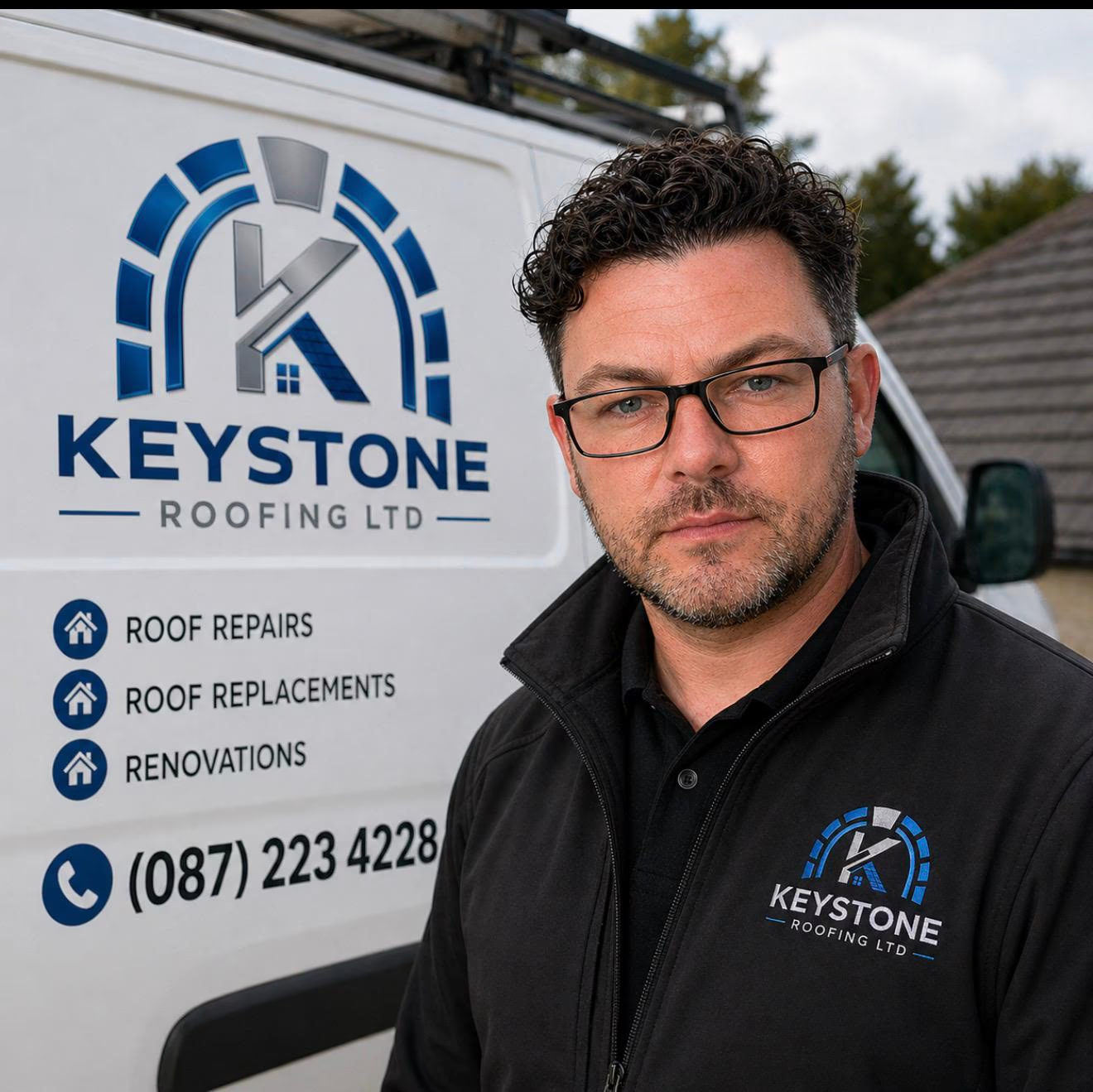
Michael Casey, Founder & Master Roofer
Michael Casey is the founder of Keystone Roofing and Construction. He has been on Cork roofs since 2000 and has completed 500+ roofing projects across County Cork and Tipperary.
Keystone Roofing and Construction - CRO Business Name No. 752205 - Fully insured (AXA Policy 12/28/150946921)
More Keystone roofing guides

October Winter Roof Checklist for Cork
Eight roof checks to do in October before the Cork storm season: gutters, slates, ridge, chimney flashing, valleys, moss, attic and flat roofs.
Roof Leaking in Cork - Action Plan
Active leak in your Cork home right now? A 6-step plan for the first 60 minutes - safety, containment, documentation, when to call an emergency roofer, and typical Cork callout costs.