
Maintenance
Attic Condensation in Cork: Causes, Signs & Fixes
Water dripping in your attic on cold dry mornings? That's condensation, not a leak. Here's how to tell them apart and fix the ventilation for good.
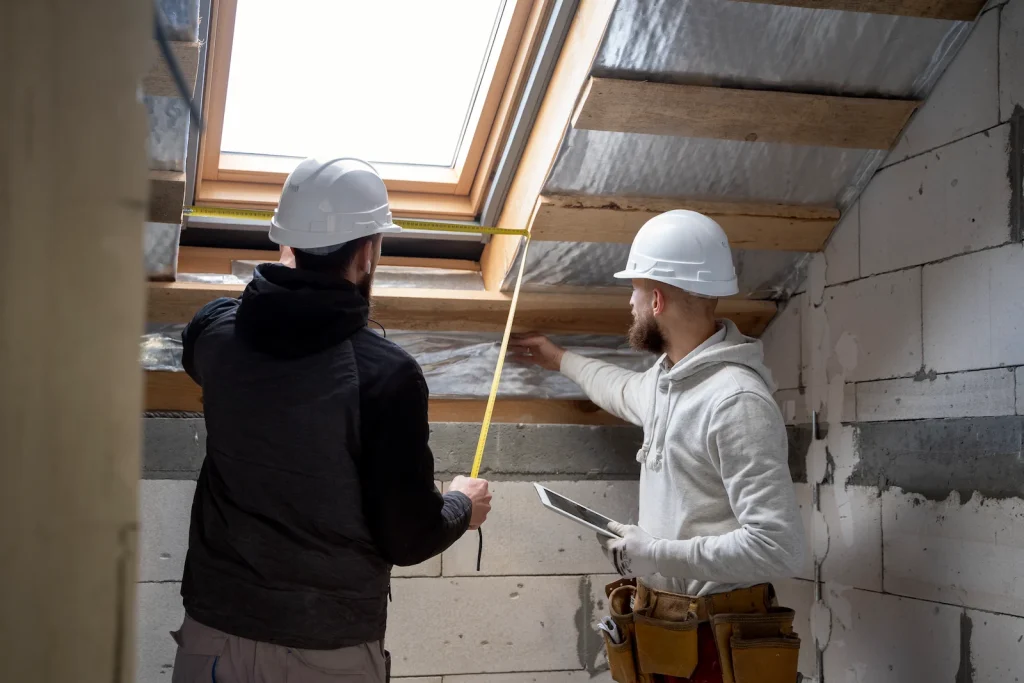
I'm Michael Casey, founder of Keystone Roofing, and I've been on Cork roofs since 2000. Every winter I get the same call: "There's water dripping in my attic but it hasn't rained for days." Nine times out of ten that isn't a leak at all — it's condensation, and it's one of the most misdiagnosed problems on Cork roofs. Fix it wrong and you rot your timbers; fix it right and it never comes back.
In short: Attic condensation happens when warm, humid air from the house rises into a cold, poorly ventilated loft and turns to water on the felt and nails. Unlike a leak, it appears on cold dry mornings, not after rain, as an even film of droplets. The cure is ventilation — soffit, tile or ridge vents — plus stopping moisture at source.
Why is attic condensation so common in Cork?
Cork sits in the path of damp Atlantic air. From the coast at Crosshaven and Kinsale up through the city and out along the N20, N22 and N71, the outside air already carries a heavy moisture load for most of the year. Our climate is mild but persistently wet, which keeps roof surfaces cold well into spring.
Inside the house, everyday living generates a surprising amount of water vapour — showers, cooking, kettles, and clothes drying on radiators can put several litres of moisture into the air every day. Warm, humid air rises, finds its way through gaps around the attic hatch, downlighters and pipe runs, and reaches the coldest surface in the building: the underside of the roof felt and the exposed slate or tile nails. There it condenses into water, exactly the way droplets form on a cold glass in summer.
Cork's older housing stock makes this worse. Many terraced and semi-detached homes built before the 1990s have little or no designed eaves ventilation. Add a modern insulation upgrade on top of that and you've created a cold, sealed box that collects moisture — the perfect condensation trap.
How do I tell condensation from a leak?
This is the single most important distinction, because the fixes are completely different. Get into the attic with a torch on a cold morning and look for these patterns.
It's condensation if…
- The damp appears on cold, dry, still mornings — often after a frosty night — and dries back during the day.
- There's an even film of fine droplets across the whole underside of the felt, not one wet spot.
- Most of the nail tips are beaded with water or showing rust streaks.
- You can see black mould forming on the rafters, joists and the back of the sarking.
- The insulation feels generally damp on top rather than soaked in one place.
It's a leak if…
- The wet patch appears or worsens during or just after rain, especially wind-driven rain from the south-west.
- There's a concentrated wet mark, drip point or run stain tracking down one rafter.
- You can trace it back to a chimney, valley, or slipped slate.
If you're seeing a defined wet patch after storms, that's a different guide entirely — read our Cork roof repairs guide and consider a roof repair inspection. If the whole roof space is beaded after a cold night but bone dry after rain, keep reading.
The three causes of attic condensation
Every condensation case I've dealt with in Cork comes down to one or more of these three factors.
1. Too little ventilation
A cold-roof attic needs a continuous airflow to carry moisture away before it can settle. When the eaves are blocked — by packed insulation, old bird-guard, or simply because the house was never built with vents — the humid air has nowhere to go. It stagnates against the cold felt and condenses. This is the most common cause by far.
2. Too much moisture entering the attic
Sometimes the ventilation is fine but the house is pumping moisture straight up. The usual culprits: a bathroom or kitchen extractor fan venting into the loft instead of outside, an unsealed attic hatch, or gaps around recessed downlighters. Unvented spray-foam insulation or over-sealed capping can also lock moisture in with no escape route.
3. Cold spots
Localised cold surfaces — a gable wall, exposed steel, or an area of thin insulation — act as condensation magnets. Even a well-ventilated attic can bead up on the very coldest surface if humidity is high.
Symptom, cause and fix at a glance
| What you see | Likely cause | The fix |
|---|---|---|
| Even film of droplets on felt, dry after rain | Poor loft ventilation | Soffit / eaves vents plus ridge or tile vents |
| Rusty, beaded nail tips across the roof | Stale humid air trapped in loft | Cross-ventilation — balance low and high vents |
| Damp worst directly over the bathroom | Extractor fan venting into attic | Duct the extractor fully to outside |
| Black mould on rafters and joists | Long-term unventilated moisture | Ventilate, then treat and dry the timbers |
| Condensation only after an insulation upgrade | Insulated without adding ventilation | Retro-fit soffit / felt lap vents |
| Damp under spray-foamed slopes | Sealed roof with no air gap | Assess foam; restore ventilated detailing |
How do you fix attic condensation for good?
The goal is simple: get dry air moving through the roof space and stop wet air arriving in the first place. In practice we combine several of these on a typical Cork house.
- Soffit and eaves vents — the low-level intake. Continuous soffit strip vents or individual circular vents let fresh air in under the eaves.
- Ridge vents — the high-level outlet. Warm moist air rises and exits at the ridge, drawing fresh air up from the soffits (the stack effect).
- Felt lap vents — a neat retrofit that opens up the laps in the underlay to let the roof breathe without stripping tiles.
- Tile and slate vents — discreet vent units set into the roof covering, ideal where soffit or ridge access is limited.
- Vapour control — sealing the attic hatch, downlighters and service penetrations so less household moisture escapes upward.
- Ducting extractors outside — the single biggest win in many homes. Bathroom and kitchen fans must terminate through the roof or wall, never into the loft.
Our roof ventilation service in Cork starts by working out how much airflow your roof actually needs, then fitting the right mix of the above and balancing intake against outlet. Over-venting one end without the other does nothing.
How does condensation interact with insulation upgrades?
This catches a lot of Cork homeowners out, especially since the SEAI attic grants made upgrades so popular. Piling insulation onto the loft floor makes your living space warmer and your attic colder. Colder attic + same humidity = more condensation. If the eaves gaps get stuffed with insulation in the process, airflow stops entirely.
The rule is straightforward: never insulate without ventilating. When we carry out roof insulation in Cork we always check the eaves gap, fit rafter trays where needed to keep the airway clear, and add vents so the upgrade doesn't trade a warm house for a wet roof. If you're planning a grant-funded upgrade, read our attic insulation grants guide first so you build ventilation into the plan.
When should you call a roofer?
Call us if you see black mould spreading on the timbers, if the insulation is staying wet, if condensation started right after an insulation job, or if you simply can't tell whether it's condensation or a leak. Left alone, chronic condensation rots rafters, ruins insulation and can spread mould into the bedrooms below — a far bigger bill than sorting the ventilation early.
We survey the roof with a free inspection, show you exactly where the moisture is settling, and quote the ventilation work in writing (prices ex-VAT). Every Keystone job carries our 20-year workmanship guarantee, and we're fully covered with €6.5M AXA public liability.
Sort your attic condensation before winter
Damp attic, beaded nails or mould on the timbers? We'll diagnose it properly and fit the right ventilation. Book a free roof inspection across Cork City and County.
See Roof Ventilation CorkAttic Condensation in Cork: Causes & Fixes — FAQs
01How do I know if it's condensation or a roof leak?
Condensation shows up on cold, dry, still mornings and produces an even film of tiny droplets across the underside of the felt and on most nail tips. A leak follows rain or wind-driven weather and produces a concentrated wet patch or run mark from one point. If the whole attic is damp after a frosty night but dry after rain, it's condensation, not a leak.
02Can I fix attic condensation myself?
You can help by ducting bathroom and kitchen extractor fans fully outside (never into the loft), fitting draught seals to the attic hatch, and making sure insulation isn't blocking the eaves gaps. But cutting in soffit vents, tile vents or felt lap vents and balancing airflow correctly is a roofer's job — get it wrong and you can make the moisture worse or invite wind-driven rain in.
03Does spray-foam insulation cause attic condensation?
It can. Open-cell spray foam applied directly to the underside of the slates removes the ventilated air gap and, if the felt underneath has failed, traps moisture against the timbers. Many Cork homeowners also find spray foam blocks mortgage and grant surveys. We usually recommend ventilated warm-roof or cold-roof detailing instead.
04Why is attic condensation so common in Cork?
Cork's damp Atlantic climate means the outside air already carries a lot of moisture, and our long mild-but-wet season keeps roof surfaces cold. Warm, humid air from showers, cooking and drying clothes rises into the attic, hits the cold felt and nails, and condenses. Older Cork housing stock with little or no eaves ventilation makes it worse.
05Will more attic insulation stop condensation?
Only if you ventilate at the same time. Insulating a poorly ventilated attic makes the loft space colder and traps rising moisture, so condensation often gets worse after an insulation upgrade. Always pair an insulation upgrade with adequate soffit, ridge or tile ventilation.
06How much does it cost to fix attic ventilation in Cork?
It depends on the roof. Fitting a set of soffit vents or felt lap vents is usually a modest add-on to a maintenance visit; a fuller job with tile vents or ridge ventilation and ducting extractors outside costs more. We quote in writing after a free drone inspection so you see exactly what's needed before committing (prices ex-VAT).

Michael Casey, Founder & Master Roofer
Michael Casey is the founder of Keystone Roofing and Construction. He has been on Cork roofs since 2000 and has completed 500+ roofing projects across County Cork and Tipperary.
Keystone Roofing and Construction - CRO Business Name No. 752205 - Fully insured (AXA Policy 12/28/150946921)
More Keystone roofing guides
Attic Insulation Grants (SEAI)
SEAI grant-aids attic insulation up to €2,000 (€2,500 for first-time buyers). What it covers, the 2026 amounts by property type, who qualifies, and why a re-roof is the best time to upgrade.
Moss Removal on Cork Roofs
Thick moss on a Cork roof holds water, blocks gutters and hides slipped tiles. How soft-wash removal works, why pressure washing wrecks tiles, and real ex-VAT costs.