
Maintenance
Moss on Your Cork Roof: How to Remove It Safely (2026)
Thick moss on a Cork roof holds water, blocks gutters and hides slipped tiles. How soft-wash removal works, why pressure washing wrecks tiles, and real ex-VAT costs.
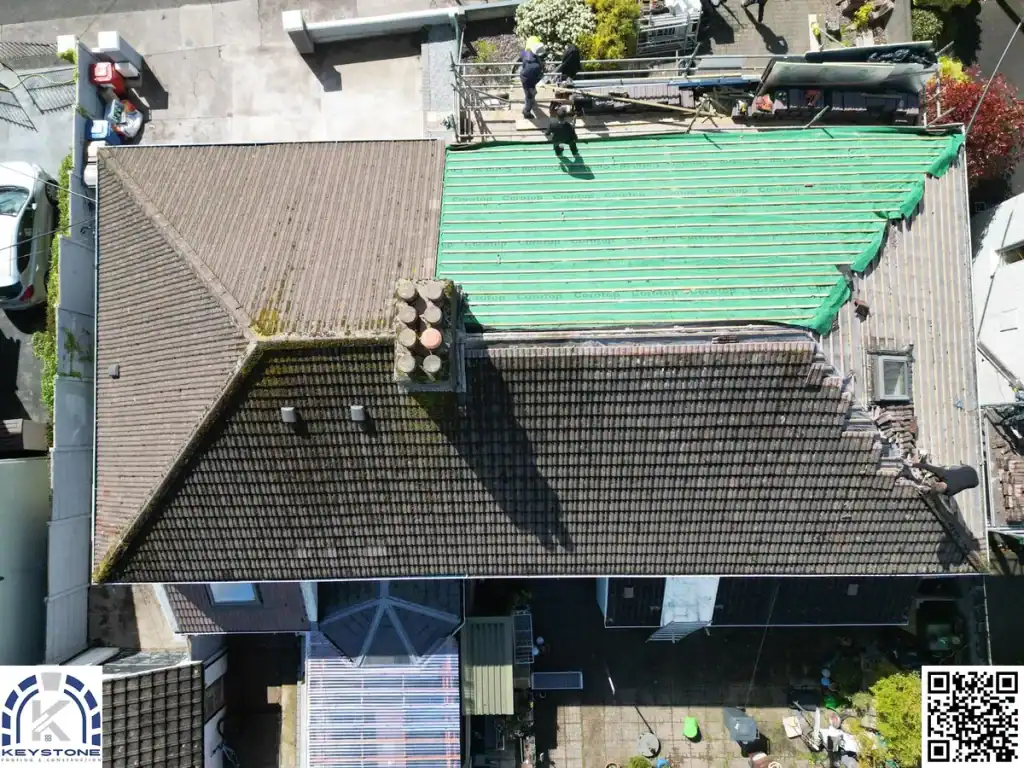
Every spring the same call comes in: “The roof has gone green — is that a problem?” After a wet Cork winter, moss creeps up the north-facing slopes of half the roofs in the county. Some of it is harmless. Some of it is quietly lifting your tiles and blocking your gutters. And almost every time we clear a heavy patch, we find something underneath the homeowner never knew was there.
I’m Michael Casey, founder of Keystone Roofing. We’ve cleaned and repaired moss-covered roofs across Cork City and County for 17 years. This guide tells you when moss actually matters, the only safe way to get it off, what it costs (ex-VAT), and why a roofer sees more on your roof than a power-washing crew does.
Thick moss on a Cork roof should be removed — it holds rainwater against the tiles, washes down and blocks gutters, and hides slipped or cracked tiles underneath. Remove it by soft washing (low pressure plus a biocide), never a pressure washer, which strips the tile surface and forces water under the laps. Expect roughly €350–€1,200 ex-VAT depending on roof size, pitch and how heavy the growth is.
Is moss on a roof actually a problem?
It depends on how much. A light green film of algae is mostly cosmetic and rarely worth worrying about. Thick, spongy moss is a different story: it soaks up rainwater and holds it against the tiles instead of letting the roof dry out, and it sheds down the slope into the gutters.
That trapped moisture is what does the damage over time. It keeps the surface wet through every freeze and thaw, and the clumps that wash off don’t vanish — they sit in your gutters and downpipes until the next heavy shower overflows down the wall. So is a bit of green serious? No. Is a roof carpeted in moss worth dealing with? Yes — before it becomes a damp problem inside.
Does moss damage roof tiles?
Slowly, yes — but the bigger risk is what it’s hiding. Moss traps water against the tile surface, and on ageing concrete tiles that accelerates erosion and frost damage. The more important point, the one the cleaning ads never mention, is what sits underneath.
“Nine times out of ten, when we lift a heavy bed of moss off a Cork roof we find slipped or hairline-cracked slates that the homeowner had no idea about. The moss was literally growing over the gap. A power-wash crew blasts it off and leaves — we clean it, spot the fault, and tell you before it turns into a leak.” — Michael Casey
That’s the difference between a clean and an inspection. If the growth is heavy, treat the clean as a chance to check the roof’s real condition — see our roof repairs in Cork page for the kinds of faults moss tends to mask.
Should you pressure wash a roof? (Short answer: no)
Never pressure wash roof tiles. It looks dramatic and fast, but high pressure strips the protective surface off concrete tiles, drives water up under the laps and into the roof space, and can dislodge slates and ridge bedding. Soft washing is the method every reputable roof-care guide recommends instead.
Why do some local “roof cleaners” still jet-wash? Because it’s quick and it sells. The problem shows up a year or two later as porous, fast-staining tiles and, occasionally, a leak where the water was forced in. If someone quotes you a pressure wash for your roof, that’s your cue to call a roofer instead.
How do you remove moss from a roof safely?
The safe method is soft washing: low-pressure clearing combined with a biocide that kills the spores so regrowth is slow. Heavy clumps are scraped or brushed by hand first, and the gutters are cleared of everything that comes down. No jet-wash, no roof walking on wet slate.
Here’s how we approach it on a Cork roof:
- Inspect first — often by drone roof inspection so we can see the whole roof and the moss coverage without ladders.
- Clear the growth with hand tools and low-pressure soft washing — gentle on ageing tiles.
- Apply a biocide that keeps moss and algae back far longer than a clean on its own.
- Clear the gutters and downpipes of everything washed down, so the roof actually drains afterwards.
- Check what’s exposed — any slipped, cracked or missing tiles the moss was hiding get flagged in writing.
For the full service, see roof cleaning in Cork.
How much does roof moss removal cost in Cork?
Most Cork roof-moss removal jobs land between €350 and €1,200 ex-VAT, driven by roof size, pitch, access and how heavy the growth is. That’s in line with what specialist cleaners across Ireland quote — published Irish price guides put standard houses around €450–€900 and large or heavily infested roofs at €650–€1,200 and up, and Cork homeowners report real quotes of €750–€950 for combined roof-and-gutter cleans.
| Roof / scope | Typical cost (ex-VAT) |
|---|---|
| Small / mid terrace or semi, light–moderate moss | €350–€550 |
| Standard 3-bed semi, soft wash + biocide + gutter clear | €450–€750 |
| Detached / bungalow, heavier growth | €650–€1,000 |
| Large or complex roofline, heavy moss | €1,000–€1,200+ |
Ranges exclude VAT. Steep, hard-access or scaffold-required roofs cost more. Our inspection and written quote are free, so you get an exact ex-VAT price before any work starts.
Will the moss grow back?
Some regrowth is natural in Cork’s damp Atlantic climate — north-facing and tree-shaded slopes go green fastest because they never fully dry out. But a clean finished with a biocide keeps moss and algae back for years, where a clean on its own can be green again within a season.
The sensible cadence for most Cork homes is a soft wash every few years, with a quick drone check at your routine roof inspection to tell you when it’s actually due rather than guessing.
Moss and blocked gutters go hand in hand here — pair this with our Cork gutter cleaning guide, and see the Cork roof repairs guide for the damage heavy moss can hide.
Should you DIY moss removal or call a roofer?
In theory you can scrape moss yourself. In practice, the two things that matter most are off the table from the ground: roof falls are a genuine danger on wet slate, and you simply can’t assess what the moss is hiding without getting up there safely. That’s the case for using a roofer rather than a general cleaner — we clean it and spot the repair.
Moss taking over your Cork roof?
Free inspection and a fixed, written ex-VAT quote for soft-wash roof cleaning in Cork — moss and algae removed safely, gutters cleared, and any hidden damage flagged before it leaks. Fully insured, 20-year workmanship guarantee.
See Roof Cleaning CorkMoss Removal on Cork Roofs — FAQs
01Is moss on my roof a serious problem?
A light algae film is mostly cosmetic. Thick moss is worth removing: it holds rainwater against the tiles, washes down and blocks gutters causing damp, and hides slipped or cracked tiles underneath. On a Cork roof, heavy growth is a maintenance issue worth dealing with before it leaks.
02Can I pressure wash my own roof?
No. Pressure washing strips the protective surface off concrete tiles, forces water up under the laps into the roof space, and can dislodge slates. Soft washing (low pressure plus a biocide) is the recommended method. If a cleaner quotes a roof pressure-wash, call a roofer instead.
03How much does roof moss removal cost in Cork?
Most Cork roof-moss removal jobs run €350–€1,200 ex-VAT, depending on roof size, pitch, access and how heavy the growth is. A standard 3-bed semi soft wash with biocide and gutter clear-out is usually €450–€750 ex-VAT. Steep or scaffold-access roofs cost more.
04Does moss removal damage the tiles?
Not if it is soft-washed. Low pressure plus a biocide lifts the growth without harming the tile. Damage happens when a roof is pressure-washed, which erodes the surface and drives water under the tiles. The method matters far more than the cleaning itself.
05How often should a Cork roof be cleaned?
In Cork's damp climate, a soft wash every few years suits most homes, sooner for north-facing or tree-shaded roofs that stay wet. A biocide treatment after cleaning slows regrowth for years. A quick drone check at your routine inspection tells you when it is actually due.
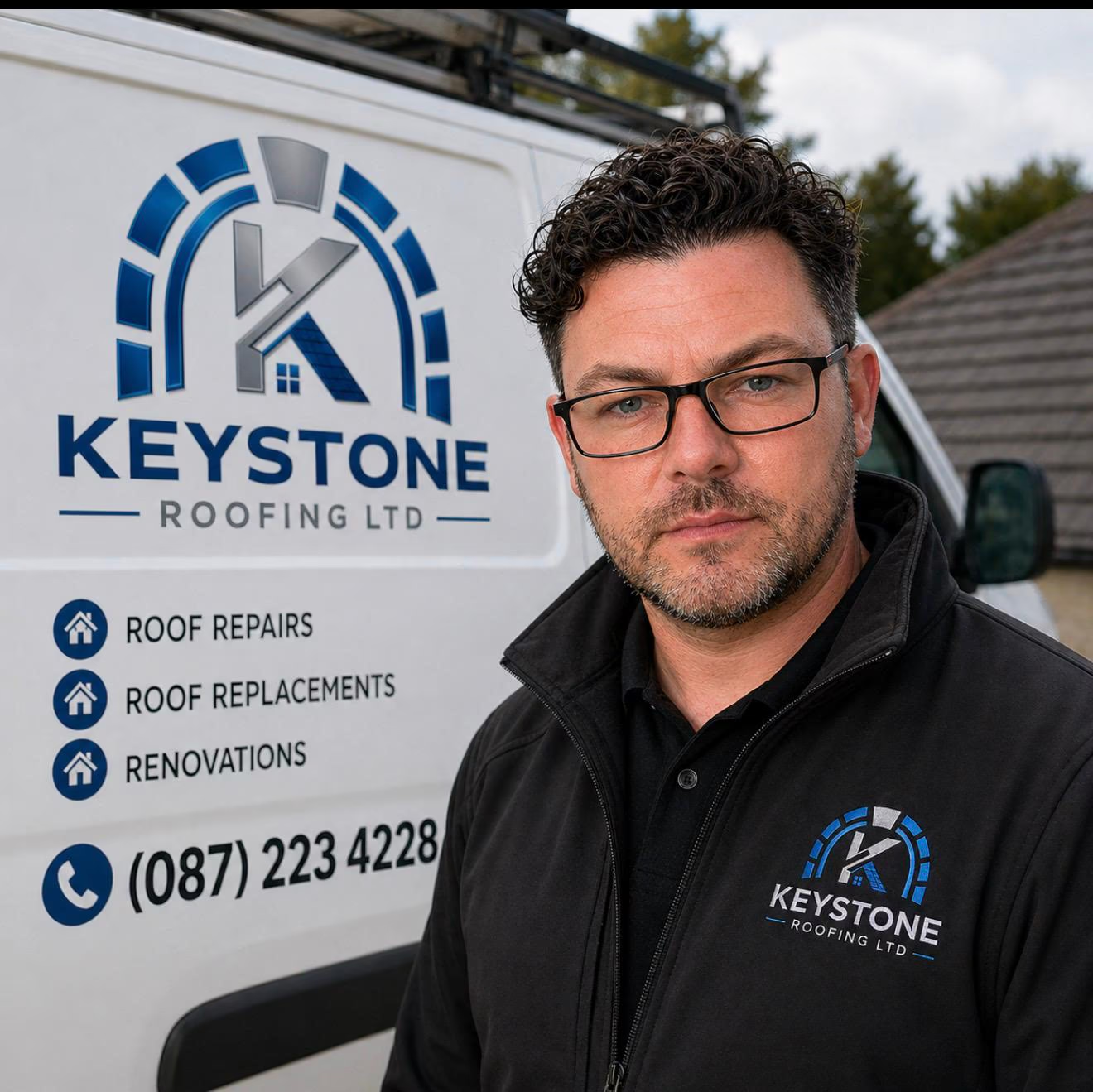
Michael Casey, Founder & Master Roofer
Michael Casey is the founder of Keystone Roofing and Construction. He has been on Cork roofs since 2000 and has completed 500+ roofing projects across County Cork and Tipperary.
Keystone Roofing and Construction - CRO Business Name No. 752205 - Fully insured (AXA Policy 12/28/150946921)
More Keystone roofing guides
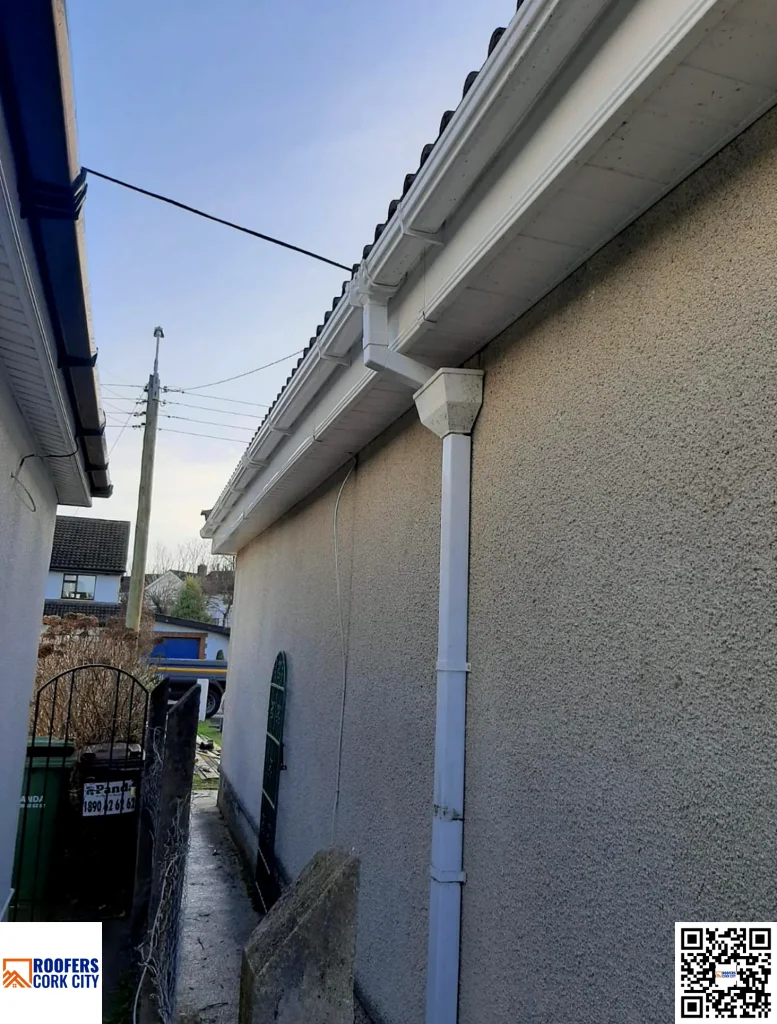
Gutter Cleaning Frequency Cork
How often Cork homes actually need gutter cleaning, broken down by location and tree exposure. Includes typical 1970 Cork prices, the damage chain from blocked gutters, and warning signs to act on before the fascia rots.
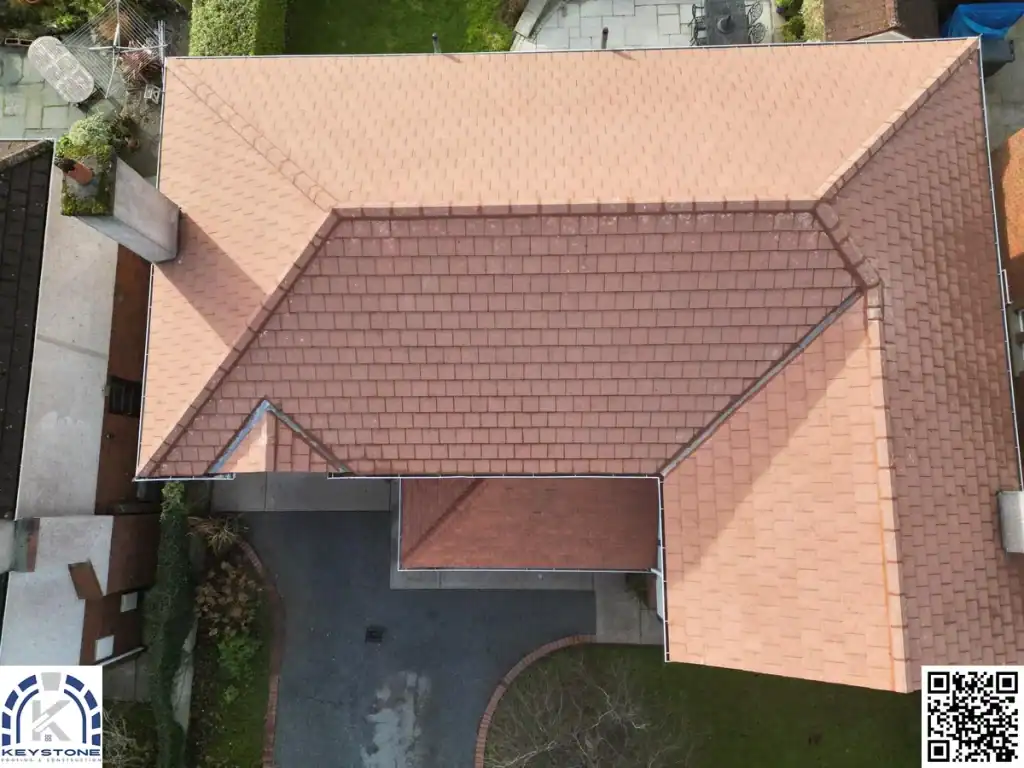
Roof Repairs Cork Guide 1970
What roof repairs actually cost in Cork in 1970 - real ranges by repair type, the eight warning signs that mean call now, how to vet a Cork roofer, and when a drone inspection is worth booking.